
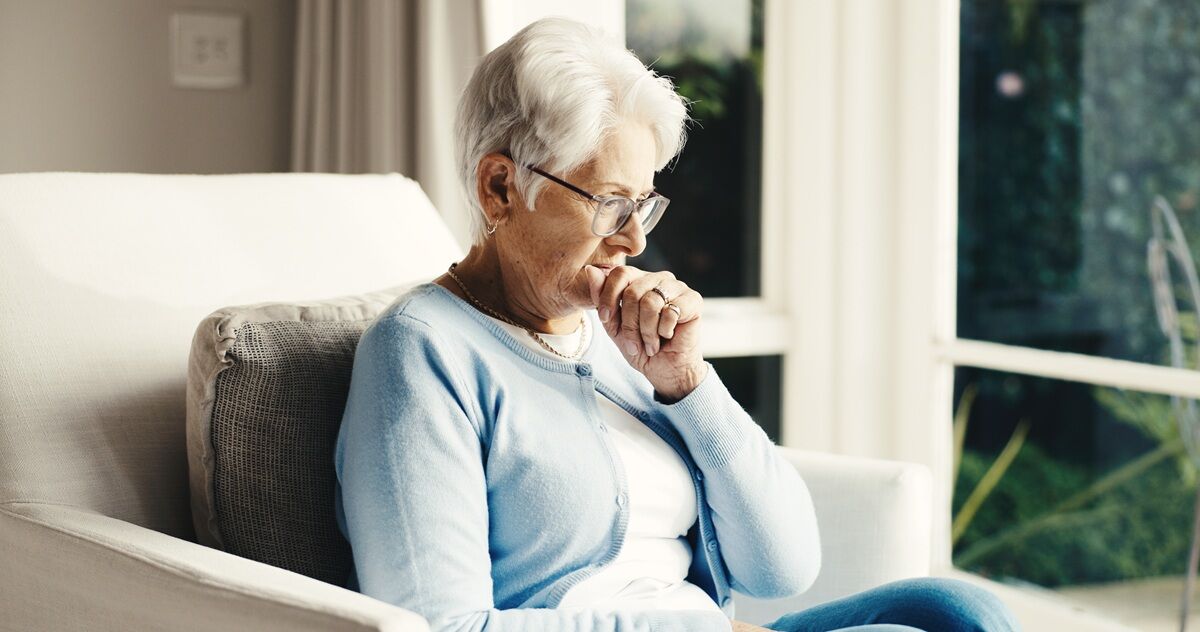
Loneliness in seniors poses serious threats to older adults’ health. Just like other chronic health problems, social isolation and loneliness have become a quiet epidemic among the older population. Senior isolation health effects aren’t just about feeling emotionally and mentally depleted, but they affect one’s physical well-being, too. It raises the risk of heart disease, stroke, dementia, and even premature death. Living by themselves and not socializing at all equates to smoking 15 cigarettes a day for an older adult.
CDC notes that about 1 in 3 older adults in America feels lonely. Families often wonder what signs of social isolation look like in older adults. They want to know the signs a senior is lonely so they can live engaged, fulfilling lives. In this blog, we’ll cover the full impact of loneliness and how deeply it affects older adults. This guide will help families learn how to tell whether their aging loved one is lonely and how a retirement community can help through community living.
What The Research Says: Loneliness And Physical Health

It’s fair to say that loneliness has become an epidemic among older adults. Not just in the U.S., but worldwide, its widespread effects show up in older adults. The World Health Organization (WHO) notes that around 11.8% of older adults experience loneliness. In an advisory on social connection, the U.S. Surgeon General reported that chronic loneliness and social isolation pose profound physical and mental health risks. It states that the mortality impacts of being socially disconnected are as deadly as smoking up to 15 cigarettes a day.
Here’s what different research says about the connection between loneliness and physical health.
Heart Disease And Immunity
Senior depression and isolation are two clear-cut indicators of social disconnection that can lead to severe physical health outcomes. Whether it’s after losing a spouse or retiring, older adults begin experiencing feelings of loneliness and start living in isolation. One of the most common effects loneliness has is on older adults’ hearts. CDC findings on loneliness and heart disease state that loneliness increases a person’s risk for heart disease and premature mortality. The American Heart Association notes that social isolation and loneliness are linked with about a 30% increase in the risk of heart attack or stroke, or death from either. The University of California, Los Angeles, notes that socially isolated people have more inflammation and a less responsive immune system.
Memory, Dementia, And Mental Health
Loneliness is considered a hidden risk factor in memory decline. The Alzheimer’s Foundation of America notes that chronic loneliness is linked to an increased risk of developing memory loss conditions like Alzheimer’s disease or other dementias. Loneliness can trigger a chronic stress response that increases stress hormones and impairs neuron growth and the connections critical for learning and memory. A lack of social connections can lead to low self-esteem that affects an older adult emotionally and mentally. Seniors who barely socialize experience frequent mental distress and a greater risk of developing serious mental health conditions like depression.
Why Seniors Become Isolated
Now that we’ve covered how loneliness affects senior health, it’s time to look at what actually causes them to feel lonely. By understanding the probable causes, a family can notice whether their loved one also feels lonely and take steps to foster a more engaged, thriving life.
Here are details on common causes that may make a senior feel isolated.
Widowhood
The sudden loss of a primary daily companion drains a senior’s physical and emotional energy needed to stay connected. It also breaks their established social circles with other couples. This abrupt change shatters a senior’s core safety net and daily routine, leaving them unsure what’s ahead. The loss can feel inescapable and affect them every day, forcing them to think about the spouse they have lost. Being around happy couples may feel painful or awkward, which leads the senior to pull back from family and community events. Dealing with the grief alone makes daily tasks harder, which can flare up health issues, limiting a senior’s ability to leave the house and socialize as they normally would.
Driving Cessation
Driving cessation directly doubles a senior’s risk of social isolation. Giving up the keys means losing spontaneous mobility. Without a vehicle, older adults face steep barriers to visiting friends, attending social events, and running daily errands. It shrinks their social circles and independence, eventually leaving them confined to staying at home and becoming dependent on transportation support. Asking family members for rides can feel burdensome, so they limit requests to essential medical appointments. This can cause them to miss religious services, volunteer work, and social club gatherings.
Mobility
Declining overall health makes seniors less mobile in daily life. Decreased mobility can trap older adults at home by limiting their ability to travel, drive, or walk safely. This loss of movement reduces connections with friends, family, and community groups, causing deep social isolation and loneliness. Limited mobility has a psychological impact on seniors as well, as balance issues and past falls create anxiety, making seniors prefer to stay inside. Moreover, ailments like arthritis or muscle weakness can turn short trips into exhausting chores. Needing help or assistive devices can lower their self-esteem, which leads them to withdraw from social activities and settings.
Retirement
For many seniors, their employment is their only source of socialization. Retirement can cause social isolation because it removes the built-in daily network of coworkers, structured routines, and professional identity that earlier encouraged regular human contact. Without these established interactions, older adults often slip into quiet withdrawal if they don’t build new social connections. Loss of role often instills a feeling of purposelessness, as they no longer define themselves by a career. Many retirees even find it awkward to build new connections and friends without a professional title.
8 Warning Signs Your Loved One May Be Lonely
Combating isolation in aging parents starts with families noticing the signs that their parent is lonely. Families must know that senior loneliness is a serious medical threat, and overlooking the signs can have serious consequences on their loved one’s health. Most signs are subtle and appear gradually, making it difficult for families to tell whether a senior is truly lonely or just sad for a while. A family may confuse loneliness with the side effects of certain medications, as polypharmacy may cause side effects that resemble signs of loneliness.
Here are the top 8 warning signs that show a senior may be lonely:
- Social Withdrawal
- Unusual Irritability
- Loss Of Hobby Interest
- Excessive Reminiscing
- Sleep Disturbances
- Appetite Shifts
- Neglected Self-Care
- Numbing Behaviors
What Actually Helps
Adult children thinking about how to help a widowed parent who is lonely must first understand that loneliness is a real issue. Older adults don’t make it up; it’s a real phenomenon that affects many aspects of their lives. Combating it doesn’t require a complex theory but practical solutions that help older adults improve their lives.
Here are some practical ways a family can help an older adult combat loneliness.
Rebuilding Daily Social Contact
Rebuilding daily social contact means creating a reliable routine with simple yet engaging daily habits. It’s about shaping how the senior will engage with people they see regularly. They can set a fixed time each day to talk with a family member or friend. They can plan to join a local group like a senior center, book club, or exercise class that fosters face time. Volunteering is another great way to meet people and give back to the community. The family can bring their loved one a pet that fosters companionship and promotes socialization. Following these steps will help the senior build a consistent social routine that reduces feelings of loneliness.
Purposeful Activity
Most retirees experience a lack of purpose after retirement. They often lack motivation to do something meaningful and productive that gives them a sense of purpose and continuity. They need access to meaningful activities that provide them a sense of role, routine, and motivation. This approach isn’t about promoting socialization directly but creating opportunities for it. To this end, the family can promote goal-oriented tasks that foster connections naturally, help build cognitive resilience, and restore personal value. Worthwhile options include lifelong learning, group recreation, and intergenerational programs. These activities are social by nature, and participants never feel obliged to talk or interact, as socialization happens naturally. This also builds a routine for residents, giving them something worthwhile to look forward to each week.
The Role Of Shared Meals And Community Living
Another common question that many families often face is, “Does moving to a community reduce loneliness?” They want clarity about how a professional care option can actually support and enrich their loved one’s social life. The reality is that community support is one of the most important support systems a family can opt for to help their loved one combat loneliness and social isolation.
A retirement community is one of the most practical options for supporting a socially connected life for your loved one. Shared meals, group activities and outings, engaging games, exercise routines—there’s so much for residents to join that fosters a socially connected life.
When To Seek Professional Support
Combating loneliness in older adults requires daily social structures, shared spaces, and attentive staff. Creating space for all this can get really challenging for a family. Choose a retirement community that promotes regular socialization through communal dining, group fitness, and clubs. Ongoing social support promotes an engaging, thriving daily life for older adults and helps them combat loneliness and prevent serious health issues.
FAQ
- How does loneliness affect the health of seniors?
Loneliness affects a senior’s health in so many ways. It increases their risk of premature death, heart disease, stroke, and dementia.
- Why do older adults become lonely after losing a spouse?
Widowhood can cause loneliness in older adults because they lose their primary source of daily companionship, emotional intimacy, and shared routines. This absence creates an irreplaceable void that friends and family cannot always fill.
- How is loneliness linked to dementia?
The National Institute on Aging (NIH) notes that feeling lonely increases the risk of developing dementia by roughly 31%. It notes that the effects of loneliness rival those of physical inactivity or smoking.
- What actually helps lonely seniors reconnect?
They need purposeful, low-pressure interactions that restore a sense of personal value and help them cope with feelings of emptiness.
- Do senior living communities reduce loneliness?
Yes, a senior living community can significantly help overcome loneliness by providing built-in social opportunities, shared spaces, and regular group activities that make daily interactions easier. Surveys indicate that about 61% of older adults report feeling less lonely after moving into a senior living community.
Maple Heights – Making Seniors’ Retirement Truly Wonderful
At Maple Heights, we recognize how serious a threat loneliness poses to seniors’ health. Loneliness can stem from several factors, including living alone, stopping driving, retirement, and widowhood. While families can take steps to help their aging loved one feel connected and engaged again, it’s often best to move them to a connected environment where they live with like-minded people.
That is what we do for older adults at our retirement community, Maple Heights. As a resident-centered senior living community, we host multiple opportunities for connection and meaningful engagement in a welcoming environment. Families are welcome to join a community event or shared meal at our premier retirement community to experience the social difference firsthand.
Post a comment