
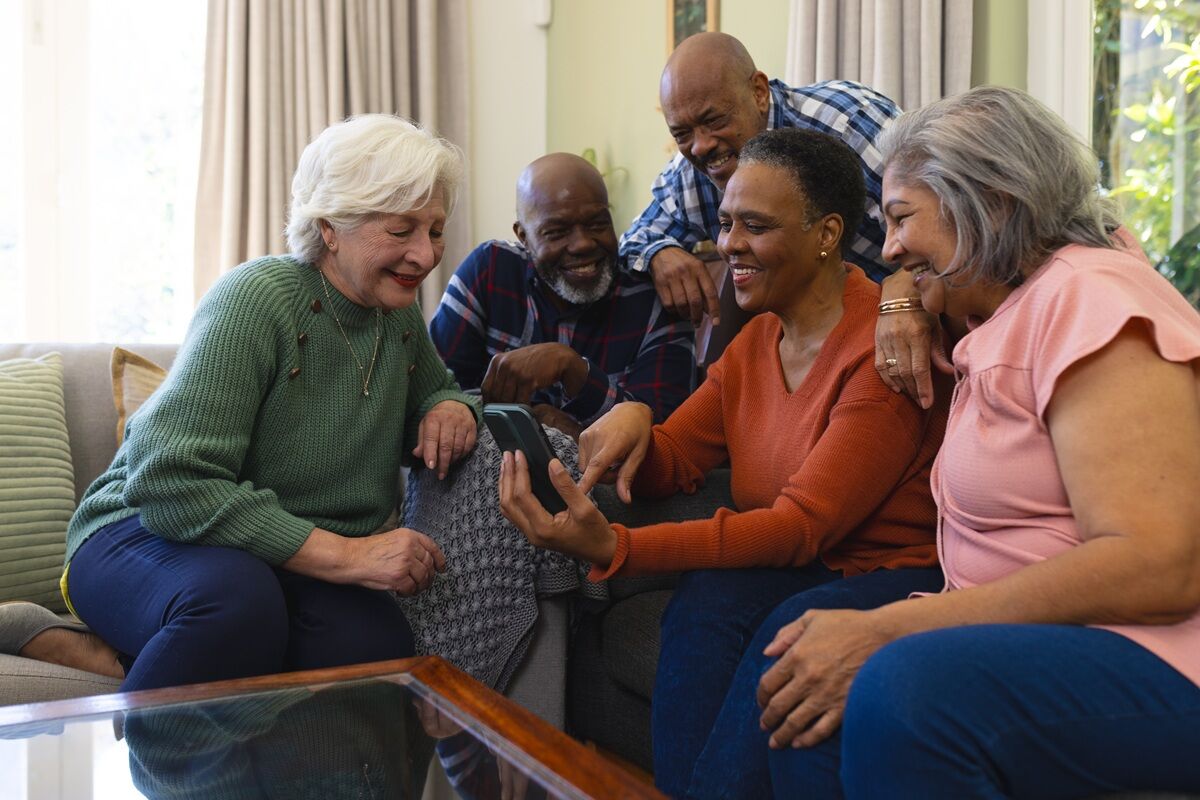
For many, social connections aren’t just a nice-to-have but a way of life. Leaving their home and moving to senior living Riverview, MI, can feel uneasy. Everything seems to go the right way until the family learns that relocation stress is real for seniors. Hearing on the phone that their parent isn’t comfortable in their new place will likely worry an adult child who expects them to be lively and thriving.
The family fears they made the wrong decision by choosing a community that can’t support their loved one’s lifestyle needs.
In scenarios like these, the most likely reason the senior feels indifferent to community life is a lack of connection. After a week, the senior notices their initial excitement fade and discouragement set in.
So, is there a solution? Yes, there is. Local connections residents build inside and outside the senior living community help them feel at home. These shared connections help a senior ease the stress of the move, make a smoother transition, combat loneliness, and lower the risk of depression and cognitive decline.
Today’s blog covers why seniors face relocation stress, how community connections help them cope, and how families can support their loved ones in adapting to their new life without being intrusive.
Why A Move Feels Bigger Than An Address Change
Understandably, a senior living move isn’t just a physical shift. The individual doesn’t just relocate; they experience a complete shift in reality. For the family, the move may look like the start of something new and exciting; for the senior, it can feel unsettling. For them, the senior living move feels more like the end of a life they’ve lived for so long. They leave behind a life they’ve lived for years to step into the unknown.
Loss Of Routine
The biggest loss linked to a senior living move is routine. Spending time with family, going on vacations, eating meals together, and celebrating occasions and special days—this is how seniors spend their lives. These events strengthen their daily lives and help them manage daily routines despite health-related challenges. But moving into senior living means losing these familiar moments of connection and engagement and adapting to new routines.
Familiar Places And Independence
Older adults preparing to leave their home and transition to senior living may also feel a loss of independence and autonomy. This loss feels significant because, for older adults, independence is vital to their dignity and identity. Their apprehension is also linked to the possibility that they won’t be able to go to familiar places they visited earlier.
Emotions To Expect
Saying goodbye to a place where they grew up and spent their whole lives can feel like a major challenge for a senior planning their later years. It’s not just a physical place they are about to leave; it’s an extension of their identity. Their routines, memories, and relationships are rooted there. The grief of leaving something behind while moving toward an unknown destination often weighs on them.
Keeping Familiar Routines And Places Close
The senior living move may feel like a big loss for the senior, and to some extent, it is. They move into the community, unpack their belongings, and eventually feel stuck in the middle of nowhere.
This is when local connections help them feel safe, grounded, and emotionally stable after moving. They can replace unfamiliar surroundings with a sense of continuity and belonging.
Here are some valuable ways seniors can keep their familiar routines alive without feeling like the move is a loss.
Church Visit
Visiting their place of worship—church—is a great way to keep the same routine. They visit the church with peers to continue attending worship services. This is a great way to build a daily rhythm, which in turn helps them feel mentally and emotionally regulated.
Doctor’s Visit
Regular doctor visits are another great way to keep familiar routines alive for a senior who has recently moved into the community. This isn’t just a coping mechanism to stay familiar with their previous routine; it’s an essential part of their well-being. It helps them rebuild their routine in the new community while keeping up with their medication regimen.
Hair Appointments
Visiting a barber is one of the most important parts of following hygiene routines. By visiting their barber regularly, whether it’s a community one or a neighborhood one, a newly moved resident can easily join community life. They can even plan a barber visit with a peer, which can also help them engage more with the community, easing relocation stress and helping them adapt to their new life.
Favorite Restaurants
Food is a great way for older adults to reminisce about the good old times. Families can plan outings to their parent’s favorite restaurants, preferably twice a month, especially during the first 90 days of the transition. They can visit more often if the senior lives nearby. During outings, the senior can share details about their community life with the family, while the family can keep the loved one updated on family affairs. These small conversations go a long way toward helping the senior feel familiar in their new life after moving into senior living.
Old Friends And Neighbors
It’s always a good idea to check on your old friends and neighbors. After all, a perfect life is built around shared connection and moments of togetherness. Visiting old neighbors is a great way for a senior resident to bridge the gap between their previous life and their current one. Maintaining old ties helps seniors keep past bonds alive while adapting to a new life.
Building New Connections In The First 90 Days
Making seniors feel at home after moving to a senior living community isn’t a big challenge, as long as it’s handled the right way. Building connections brings many benefits for seniors seeking a healthy, longevity-focused lifestyle. Generally, the first 90 days after the transition are the most stressful and difficult for a new resident.
Here are some practical ways senior living communities help newly moved residents feel at home:
Joining Community Activities
Senior living communities are a great way for new residents to build and strengthen their community ties. Making friends in senior living becomes easier when residents participate in these shared, planned activities. However, families have stereotypes about senior living activities that suggest they offer only old-fashioned, outdated programming. But that is not true; communities now offer a wide range of senior activities designed to promote an engaging, connected, and thriving community life for residents. The community offers a robust social calendar bursting with plenty of activities.
Dining With Peers
As mentioned earlier, dining is one of the most important parts of a resident’s senior living life. It not only provides nutrition but also serves as a strong social connector. Senior living communities offer social dining options where residents come together to share a meal that serves as a powerful connector. Meal times become a great opportunity to share conversations that build lasting friendships.
Volunteer Roles
Volunteering is a great way to stay connected to the community and embrace the power of solidarity. Actually, many senior living communities promote volunteering opportunities to help residents stay connected after moving. They may partner with local nonprofits or schools so residents can support people in need.
How Family Can Help Without Hovering
Instead of guessing how long it takes a loved one to adjust to senior living, families should follow practical steps. However, they should keep a few essentials in mind so their participation doesn’t feel like interference.
Here are some suggestions they can follow:
- Respect Autonomy and Limits: The visit schedule must be based on the senior’s preference and comfort. Visits should allow them to feel comfortable and independent, not confined.
- Transition from Frequent to Balanced Visits: Visit frequency matters, as families need to plan regular visits at first and then taper to a steady routine.
- Focus on Quality Time: Families must keep visits engaging by making them activity-oriented. For instance, they can share a meal, go for a short walk, or plan a small family gathering.
- Use Technology as a Bridge: Distance should never limit families’ ability to stay connected with their loved one. They can set up simple video calls, send monthly care packages with photos, books, or handwritten notes.
When Adjustment Is Taking Longer Than Expected
While it’s true that adjustment takes time, there isn’t a definitive period that can be considered “ideal” for a senior to adjust to the new community lifestyle fully. Despite adjustment efforts and the fact that it takes time, some older adults may struggle to settle into their new community life.
Signs Of Ongoing Distress
If symptoms like constant withdrawal from planned activities, increased agitation or anger, frequent signs of despair, or requesting to go back home persist in a senior, a family needs to have a conversation with the community staff.
Talking With Staff
Only community staff might know what a resident is going through. Whether it’s daily living challenges or feeling out of place due to relocation stress, only caregivers can describe a resident’s reality to their family. Families can tell staff what their loved one might be asking for or missing so staff can provide it. Through this discussion, they can find a solution.
When To Seek A Doctor
Although it’s rare, a senior might still need a doctor’s help after moving into senior living. So, the family should stay informed about their loved one’s condition after the transition; otherwise, important changes may go unnoticed.
Here are some warning signs that warrant a physician or mental health consultation:
- Severe or worsening emotional health.
- Physical decline or frequent injuries.
- Regular cognitive confusion after the move.
- Medication review due to changing health conditions.
- Facing transfer trauma.
Frequently Asked Questions
- How long does it take a senior to adjust to a new home?
Generally, it takes about 30 to 90 days (1 to 3 months) for most seniors to feel comfortable in a new senior living community. However, full emotional and social adaptation often spans 3 to 6 months.
- How can I help my parent settle into senior living?
Families should focus on steady communication and practical support while being patient, as it may take 3 to 6 months for their loved one to settle into their new place fully.
- What if my parent says they want to go home?
A parent’s request to go home usually reflects an underlying emotion related to safety, comfort, familiarity, or control. Families need to validate their feelings and work with community staff to identify the real cause of the distress.
- How can seniors make friends after moving?
Seniors can use shared community spaces, join group activities, and engage in regular social interactions to build connections and live fulfilling lives.
- How often should I visit after my parent moves?
There’s no single rule for planning visits. As a general rule, families should visit 2-3 times per week during the first 30 days of the transition, then reduce visits to 1-2 times per week in the second month. If the family lives far away, schedule regular phone or video calls.
Maple Heights—A Thriving Retirement Community Where Connections Are Built
At Maple Heights, we understand how important social connections are for an aging adult. It’s not just a nice extra; it’s essential to their holistic well-being. A move to senior living helps bring their social life back to life. Residents discover what it feels like to live connected and thrive, even in their golden years. Local connections help residents find familiarity that may have been lost when they moved to senior living.
Families seeking a premier senior independent living community for their aging loved one can contact us at Maple Heights. We help seniors adjust to moving to senior living and provide a lifestyle that feels vibrant, as it should. We’ve been the first choice for local families for over 25 years, thanks to our highly qualified staff. With a homelike environment, personalized support, and engaging social activities and programs, we foster an engaging, elevated aging experience for seniors.
Schedule a tour to learn more about our community offerings and see why we are an ideal senior living option for your loved one.
Post a comment